Air duct cleaning for Grand Rapids homes
Duct cleaning is worth it after a renovation, a move-in with pets or allergies, or smoke and mold events. We tell you honestly when your ducts do not need it.
The short answer
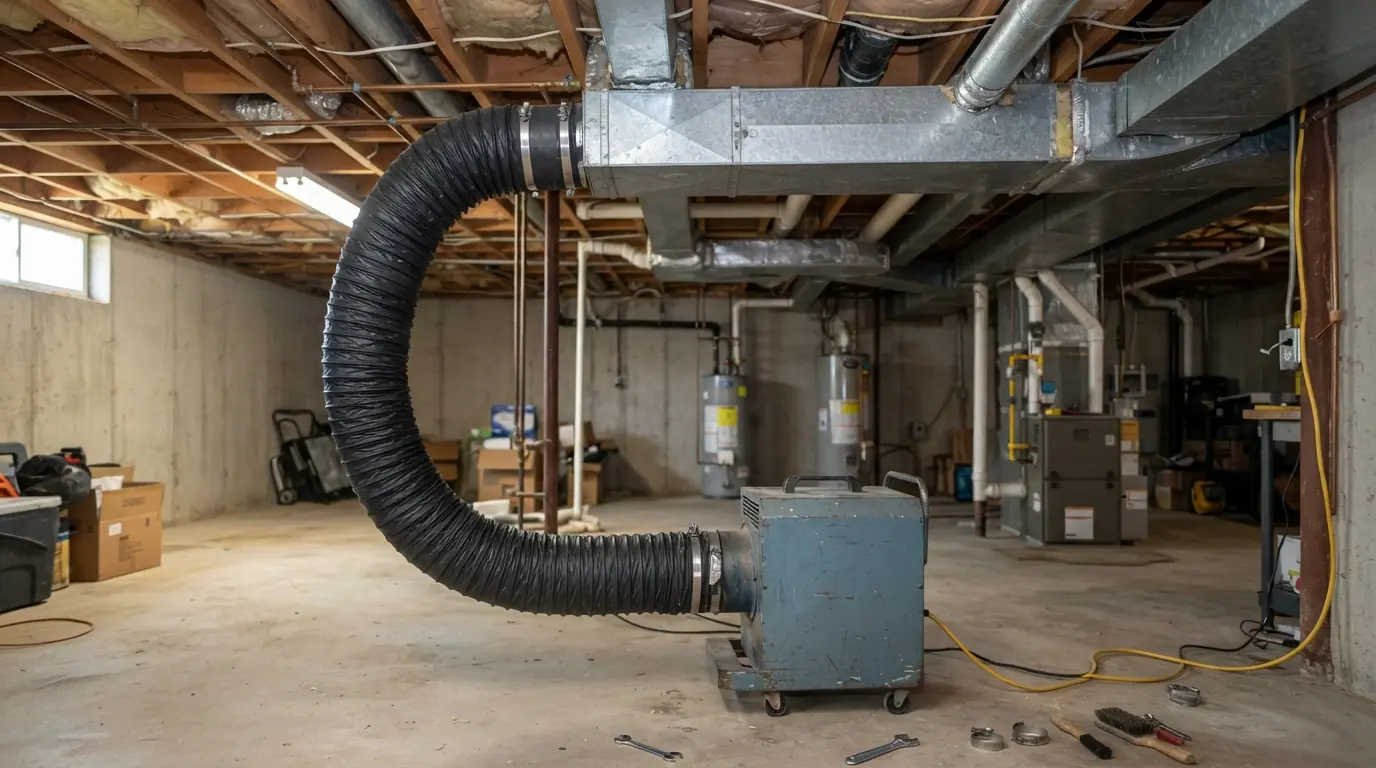
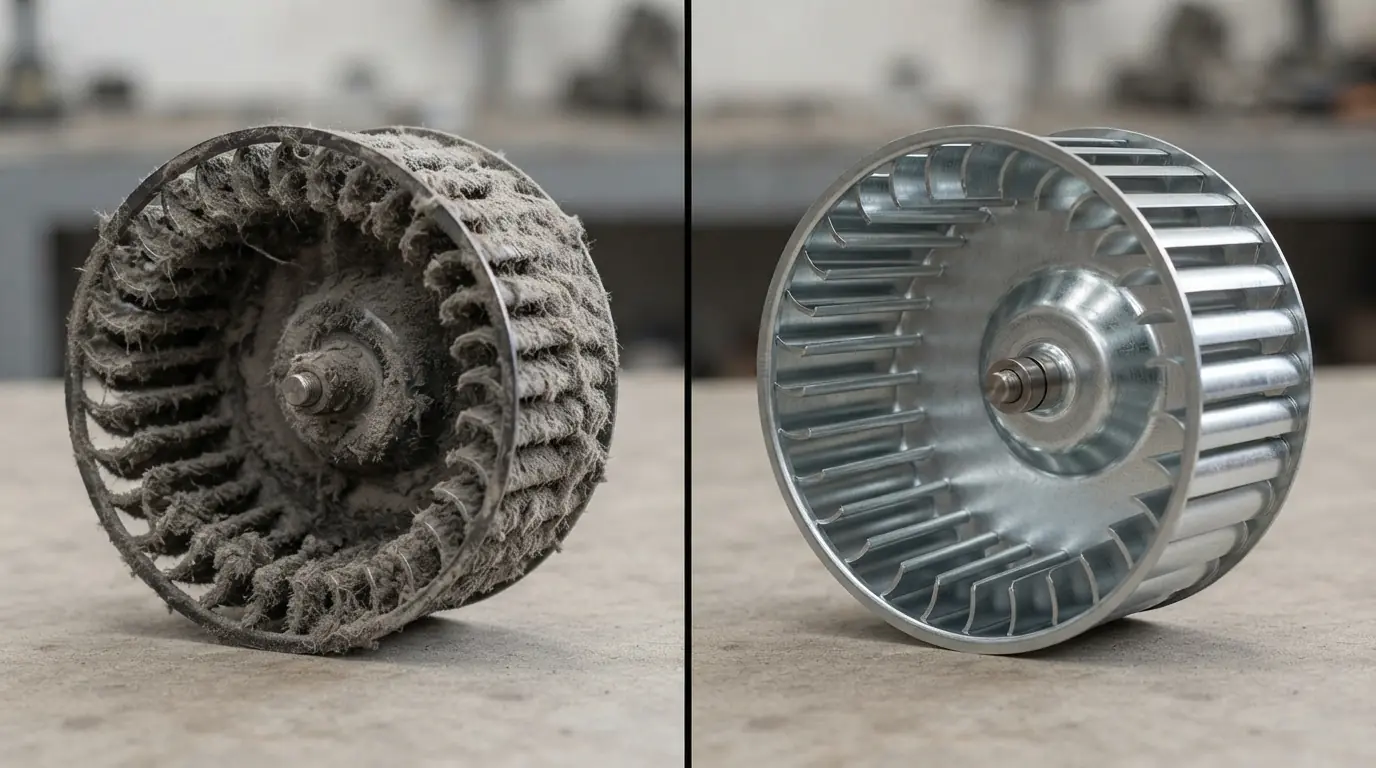
Duct cleaning in Grand Rapids uses a negative-air machine connected to the duct system and rotary brushes or air whips run through each supply and return line, pushing loosened debris back to the collector. The furnace blower wheel and coil are checked and cleaned too, since cleaning ducts while leaving a dirty blower sends dust straight back out.
When it makes sense
Cleaning ducts that actually need it
Most ducts do not need cleaning every few years. They do after drywall sanding, flooring removal or construction; when you move into a house where previous owners had pets or smoked; or after a fire, smoke or mold event. Dust on the register grilles alone is not proof the ducts are dirty.
A clean system stays clean longer with a better filter; see air filtration and media filters. If rooms are dusty because ducts are leaking and pulling in basement air, duct sealing fixes the source.
What the visit covers
What a duct cleaning includes
- Camera look before any cleaning
- Negative-air collector on the main trunk
- Every supply run brushed
- Every return run brushed
- Registers and grilles cleaned
- Blower wheel and compartment cleaned
- Before and after camera views shown
The three cleanings we do most
Post-renovation cleaning
Drywall dust is fine enough to pass through standard furnace filters and settle in every duct run, especially when the furnace ran during the work. After a remodel we clean the supply and return runs that served the work area and the main trunks, then check the blower wheel and coil for the white coating drywall dust leaves. Sealing registers and turning the system off during construction is the best prevention, and we can seal and protect the system before work starts if you call us first.
Pet and allergy cleaning
Pet hair and dander collect in return ducts in particular, since that is where room air is pulled back to the furnace. Buying a house from pet owners is one of the most common reasons we get called for a first cleaning. We clean the full return side, the supply runs, the registers and the blower compartment, then recommend a filter upgrade so the system does not refill with the same material. Cleaning helps comfort; it is not a substitute for medical advice on allergies.
Sanitizing after mold or smoke
Mold growth in ducts usually follows moisture: a wet basement, a leaking coil drain or condensation on uninsulated supply ducts in summer. Smoke residue follows a fire or a long history of smoking in the house. We clean the affected runs mechanically first, since no spray replaces physical removal, and apply an EPA-registered product only where it is labelled for HVAC use. Fixing the moisture source matters more than the cleaning, and we point it out when we see it.
Local conditions
New builds and renovation dust
Grand Rapids authorized 859 new residential units in 2024, and a lot of new construction runs its furnace while drywall is still being sanded and floors installed. First owners of those houses often find a layer of construction dust in the returns and on the blower wheel within a year. A cleaning after the builder leaves, paired with a deeper filter, keeps that dust from circulating for years.
From the call to a working system
How a duct cleaning visit runs
Look first
Camera inspection of a few runs to confirm cleaning is warranted.
Protect the house
Floors covered; registers and furnace sealed off as needed.
Clean the ducts
Negative air on the trunk; brushes run through each line.
Clean the equipment
Blower wheel, compartment and registers cleaned.
Show the result
Before and after camera views, and a filter recommendation.
Before you pick up a screwdriver
What you can do, and what needs equipment
Homeowners can keep registers and filters clean. Cleaning inside the ductwork needs a collector and brushes.
| Safe for a homeowner | Leave it to a technician | |
|---|---|---|
| Dusty registers | Vacuum grilles and the first few inches | Cleaning the runs behind them |
| Dirty filter | Change it on schedule | Upgrading to a media filter cabinet |
| Construction dust | Seal registers during work | Cleaning trunks, runs and blower after |
| Musty smell | Check for a wet drain pan | Tracing moisture and cleaning growth |
Remodel finished?
Have the ducts and blower cleaned before the dust recirculates all winter.
Pricing, explained
What duct cleaning costs depends on
Duct cleaning is priced by the size of the system and the condition we find. We give a firm price after looking, not a teaser rate that grows on site.
Number of runs
More supply and return lines take longer to clean.
Access
Finished basements hide trunks and add time.
Condition
Construction debris or heavy pet hair takes more passes.
Equipment cleaning
Blower wheel and coil cleaning are part of a proper job.
Sanitizing
Antimicrobial treatment is added only where needed and labelled for ducts.
Questions people ask us
Duct cleaning questions
Only when they need it: after renovations, pets, smoke or moisture problems.
Yes. We look with a camera first and say so if the ducts are fine.
It removes collected dust and dander; it does not replace medical care.
Most houses take a few hours depending on the number of runs.
Yes. That is a separate service and a common fire-safety fix.
The negative-air machine keeps dust contained; we cover floors and clean up.
Only an EPA-registered product labelled for HVAC use, and only where needed.
Yes, and consider a deeper media filter to keep the system clean.
Just finished a renovation?
Call and we will check whether your ducts need cleaning.