Banging or gurgling pipes
Air or steam pockets moving through the piping.
Hot water boilers are durable, but pumps, valves and expansion tanks wear out, and air in the system leaves rooms cold. We find which part is failing and fix it.
The short answer
Boiler repair in Grand Rapids most often involves a failed circulator pump, a waterlogged expansion tank, air trapped in the radiators or an ignition fault. We check pressure, temperature and flow before touching any part, then repair the component that is actually failing. Most hot water boiler repairs are finished in one visit.
What you might notice
Air or steam pockets moving through the piping.
A failed expansion tank or a fill valve letting too much water in.
The system has exceeded its safe pressure.
An ignition, flame or limit fault has shut it down.
A leaking fitting, valve or cracked section.
Hydronic heat, explained
A hot water boiler heats water and a circulator pump pushes it through pipes to radiators or baseboard. An expansion tank absorbs the change in volume as the water heats, and a pressure relief valve protects the system. When any of those parts fails, rooms go cold, pressure climbs, or the boiler locks out.
The boilers themselves often outlast several pumps and tanks. When a boiler has reached the end of its life, see boiler installation and replacement.
The three problems we fix most
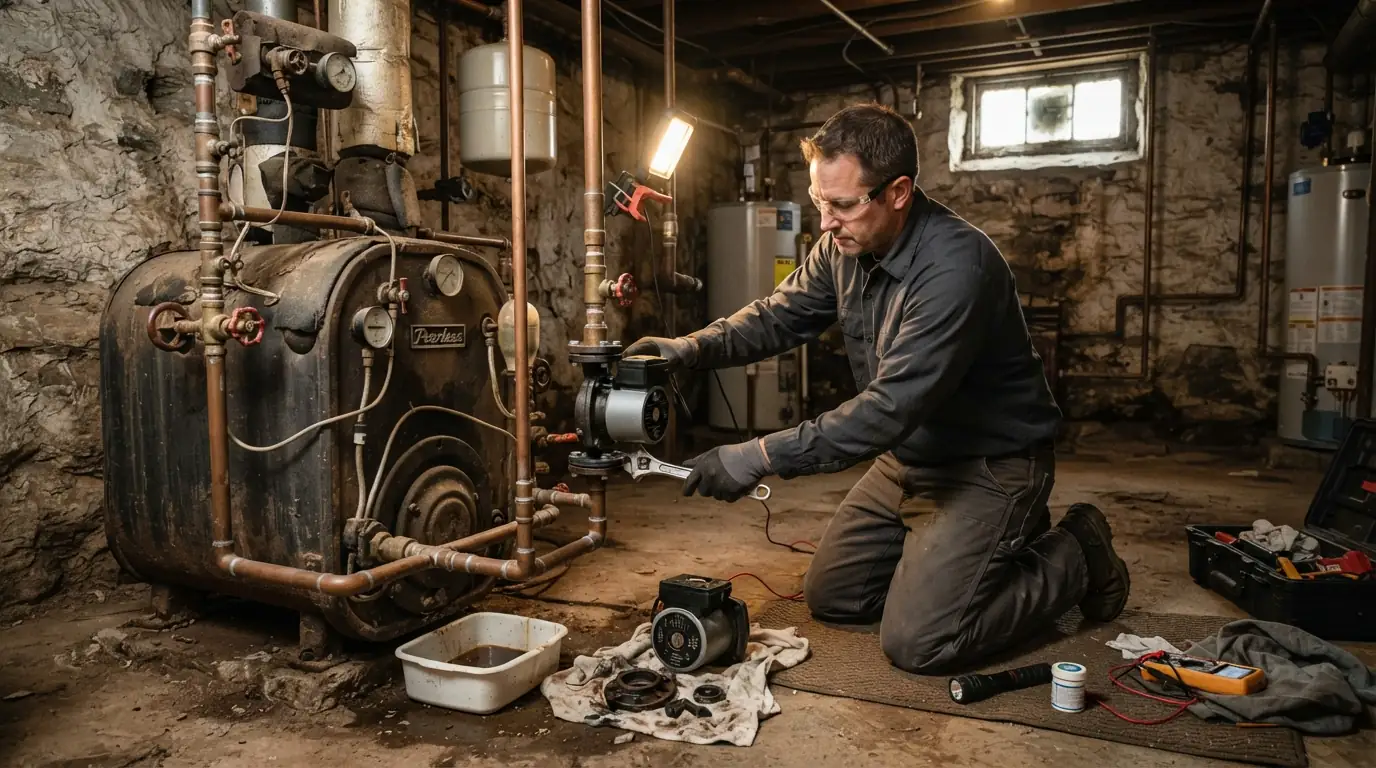
If the boiler is hot but radiators are cold, the circulator pump is the first suspect. Pumps fail from worn bearings, a seized impeller or a failed motor, and older pumps can simply stall after a summer of sitting idle. We check for power at the pump, listen for the motor, and feel the supply and return pipes for temperature difference. A failed pump is replaced with one sized to the system's flow, and we purge air afterward so the new pump does not run dry.
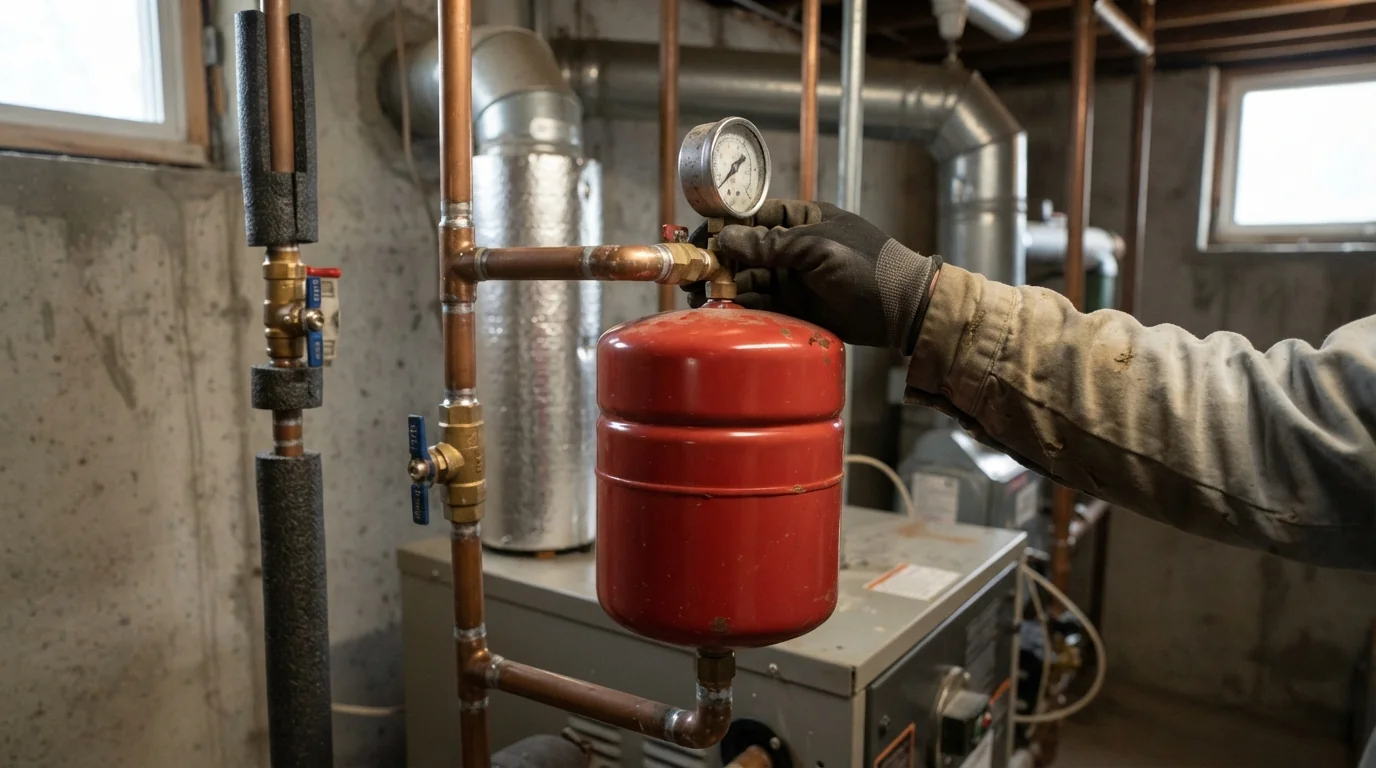
Pressure that climbs until the relief valve drips usually means the expansion tank has lost its air charge or its bladder has failed. Older systems use a plain steel tank that slowly fills with water and needs draining. We check the tank's air charge, the fill valve that feeds the system and the pressure gauge itself, which is often wrong on older boilers. A relief valve that has discharged many times should be replaced rather than trusted, because mineral deposits on the seat can stop it opening when it is needed.
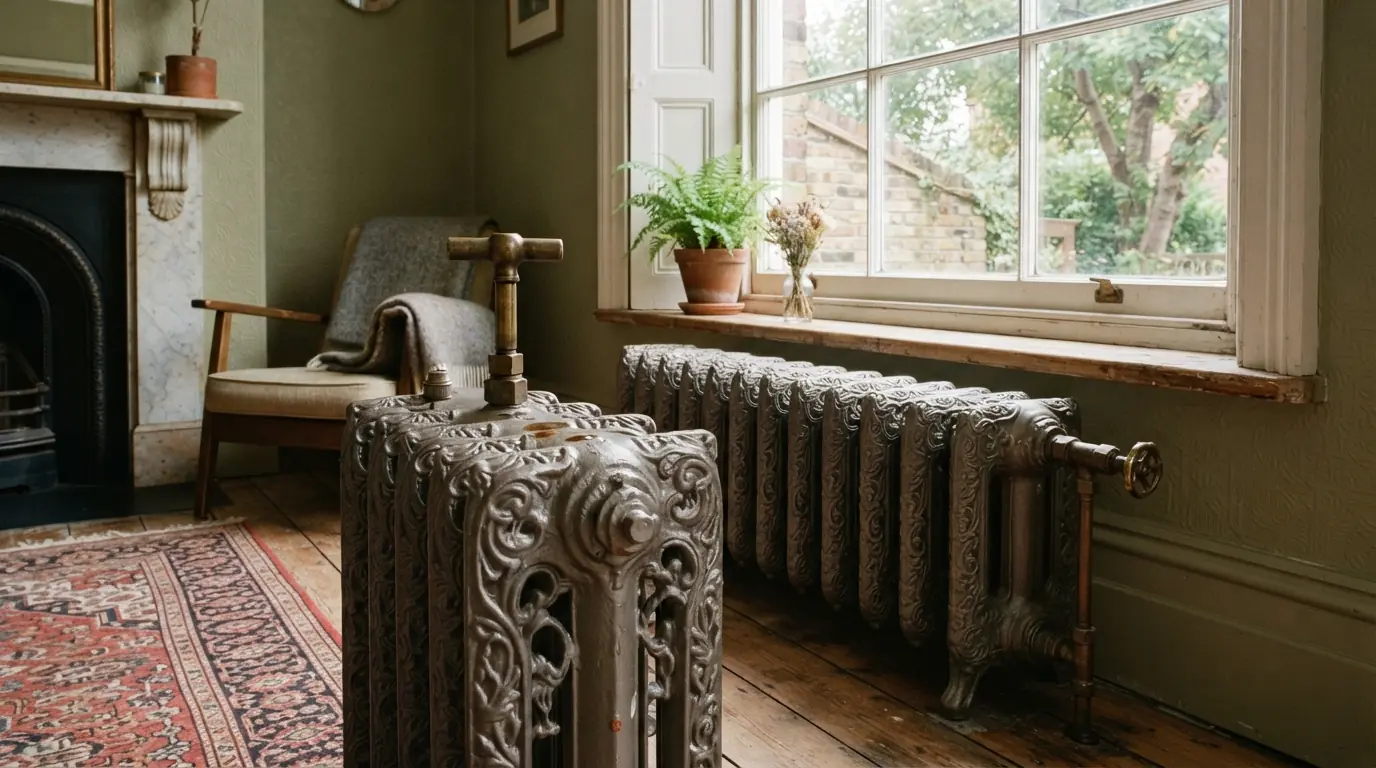
A radiator that is cold at the top and warm at the bottom has air trapped in it. Bleeding fixes it for a while, but air that keeps coming back points to a leak, a failing automatic air vent or low system pressure letting air in. Whole zones that stay cold point to a zone valve or zone pump fault. We bleed and balance the system, then find where the air or restriction is coming from so the fix lasts past the next cold snap.
From the call to a working system
We read the gauges and compare supply and return temperatures.
Pump, tank, valves, controls and ignition tested in order.
You see the price before any part is replaced.
Part replaced, air purged, system refilled to the right pressure.
Every zone called for heat and checked at the radiators.
Local conditions
The north side of Heritage Hill, above Cherry Street, was built mostly between the 1870s and 1890s, and many of those large houses still heat with radiators fed by a hot water boiler. Some have been split into apartments with several zones on one boiler, or with a boiler far larger than the building now needs. That combination is behind a lot of short cycling and uneven heat, and it is often fixed with controls and zoning rather than a new boiler.
Before you pick up a screwdriver
A few boiler checks are safe for a homeowner. Gas, electrical and pressure work are not.
| Safe for a homeowner | Leave it to a technician | |
|---|---|---|
| Cold radiator | Bleed it with a radiator key, heat off | Chasing air that keeps coming back |
| Low pressure | Note the gauge reading and call | Adjusting the fill valve and tank charge |
| Boiler off | Check the switch and breaker | Resetting ignition lockouts repeatedly |
| Relief valve dripping | Place a bucket; never cap it | Replacing the valve and fixing pressure |
Brands we service and install
Pricing, explained
We price boiler repairs after testing pressure, temperature and flow, and we tell you when a repair on a very old boiler is not money well spent.
Air vents and fill valves are small repairs; pumps and zone valves cost more.
Condensing boilers have more electronics than cast iron atmospheric boilers.
More zones and radiators mean more time bleeding and balancing.
Sludge or corrosion in the water may need a flush.
Tight basement layouts and old piping slow the work.
Questions people ask us
Usually air in those radiators, or a zone valve or pump that is not opening.
Most residential hot water systems run roughly 12 to 15 psi cold. We confirm yours.
It is a warning. Call us rather than capping it; the pressure needs fixing.
Yes, with the heat off and a radiator key. Persistent air needs a technician.
Call and describe the system. We work on hot water boilers most often.
Often ten years or more, though a stalled pump can fail after a summer idle.
Yes. Zoning an old single-zone system is often worthwhile in larger houses.
Often yes. The cast iron section can outlast many pumps and valves.
From our guides: Guide: carbon monoxide safety
More emergency & repair work
Call any hour and we will get your boiler heating again.
Reach us
Service office
3535 3 Mile Rd NW, Grand Rapids, MI 49534