Carbon monoxide in a Grand Rapids home almost always comes from a fuel-burning appliance that is burning badly or venting poorly: a furnace, water heater, boiler, fireplace or a car in an attached garage. If a CO alarm sounds, get everyone outside and call 911 first. Prevention is a yearly combustion test, clear vents and working detectors on every sleeping level.
If an alarm is sounding right now
Get everyone out of the house, including pets, and call 911 from outside. Do not open windows first and do not look for the source. Wait for responders to clear the house before going back in. Once they have, call a heating technician to find and fix the cause before the appliance is used again. Everything else on this page is about prevention.
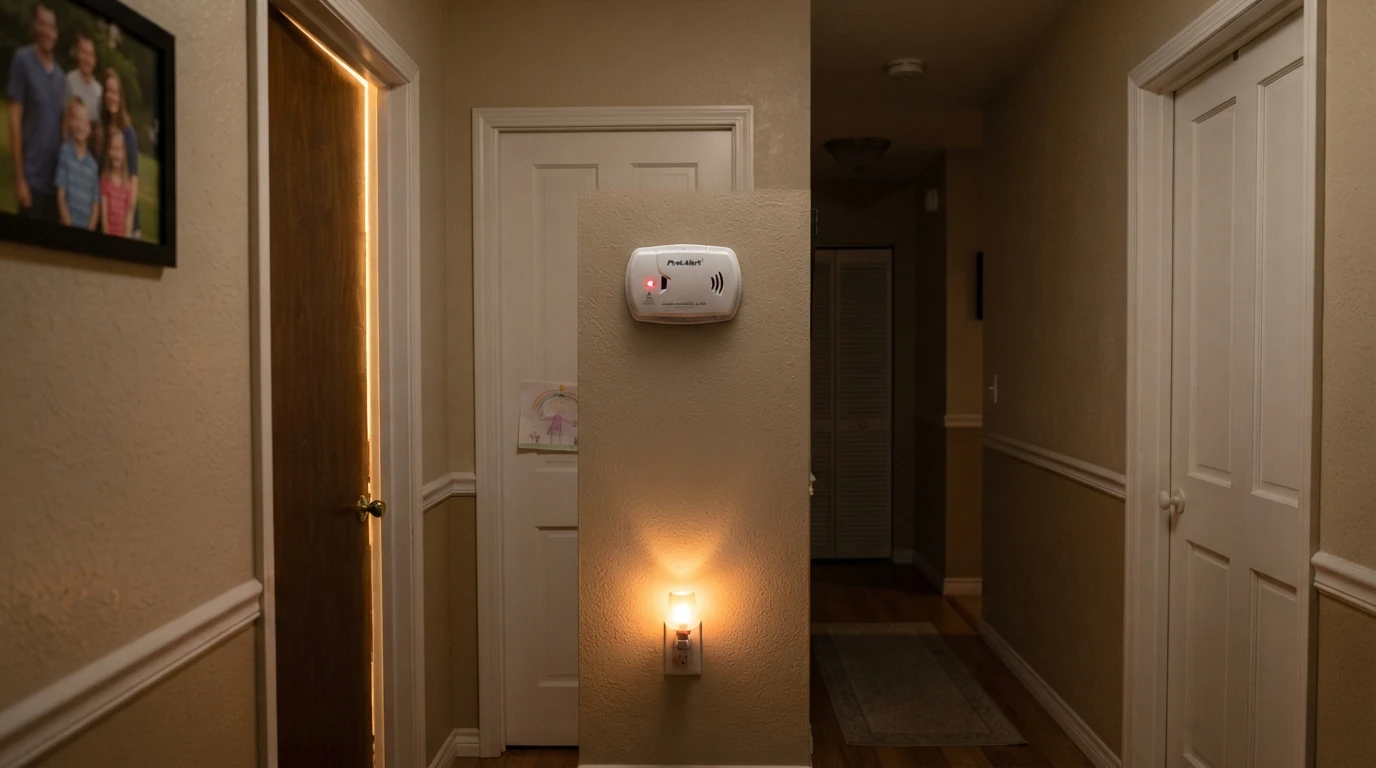
Where carbon monoxide comes from
Carbon monoxide is produced when fuel burns without enough air. In a healthy appliance it is a tiny amount, carried outside by the vent. It becomes dangerous when combustion goes wrong, from dirty burners, bad gas pressure or a cracked heat exchanger, or when the vent fails through blockage, disconnection or poor draft.
The most common problems we find are water heaters spilling exhaust because they are alone in a chimney sized for two appliances after a furnace upgrade, and high-efficiency furnaces whose PVC vents are buried in snow. Grand Rapids averages about 77 inches of snow a year, so checking those vents is a winter habit worth keeping.
Detectors: where they go and how long they last
Detectors are the backup, not the protection, but they are essential.
- Put one on every level of the house that has sleeping areas, near the bedrooms.
- Add one outside a finished basement bedroom and near the door to an attached garage.
- Check the date on the back; detectors have a service life printed on them.
- Test them monthly and replace batteries yearly.
- Do not mount them right beside the furnace or water heater, where brief startup readings cause false alarms.
Symptoms to take seriously
Early carbon monoxide exposure feels like the flu without a fever: headache, dizziness, nausea, tiredness and confusion. The tell is that symptoms ease when you leave the house and return when you come back, or that several people in the house feel it at once. Pets may show it first.
If that pattern fits, leave the house, get medical advice and have every fuel-burning appliance tested before anyone moves back in. Do not wait for an alarm to confirm it.
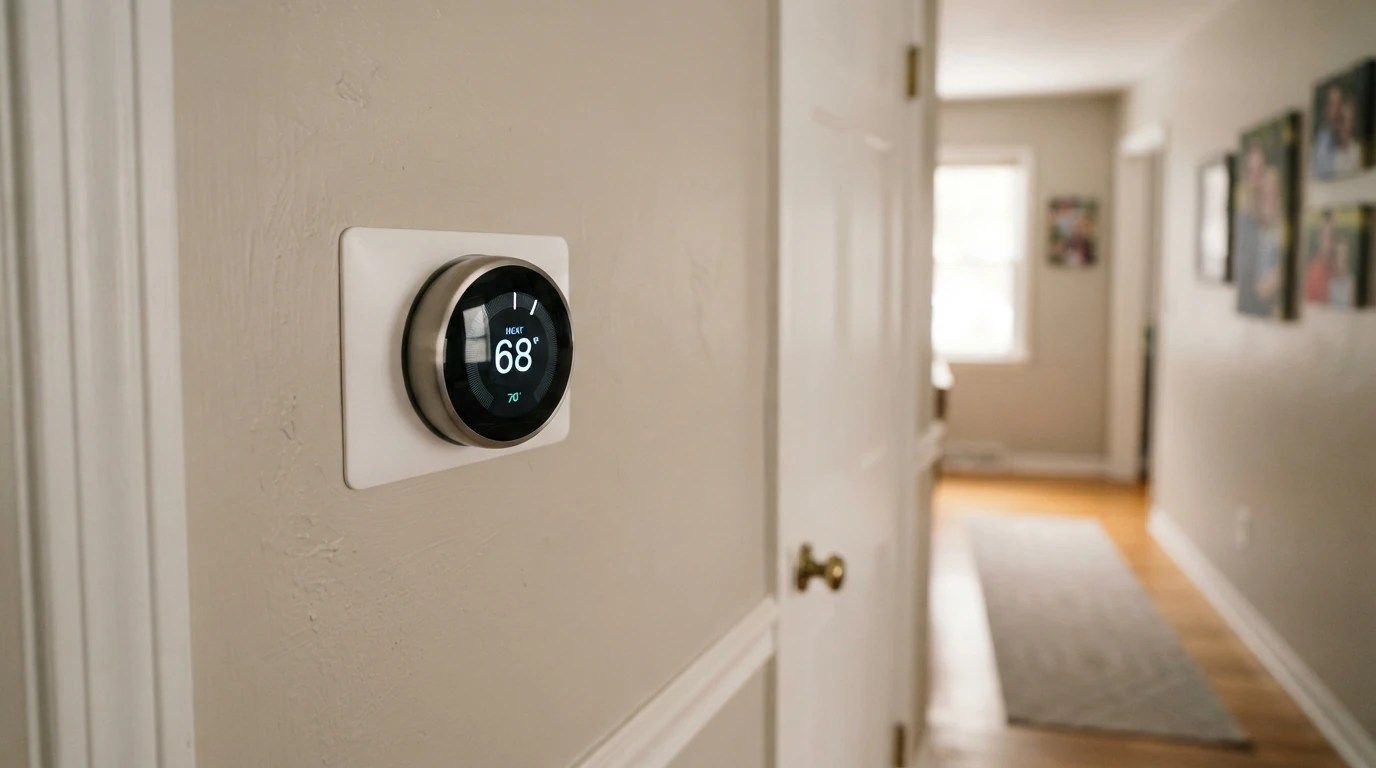
Power outages, generators and attached garages
Winter storms bring power outages, and outages bring the most dangerous carbon monoxide situations: portable generators run in garages or just outside windows, gas ovens left open for heat, and cars warmed up in attached garages. A generator belongs outdoors, well away from doors, windows and vents, with its exhaust pointed away from the house.
An attached garage shares a wall and often an air path with the house, so exhaust from a running car can reach bedrooms above it. Never idle a vehicle in the garage with the door closed, and keep a detector near the house door to the garage. If you rely on a standby generator, have its exhaust location checked as carefully as the furnace vent.
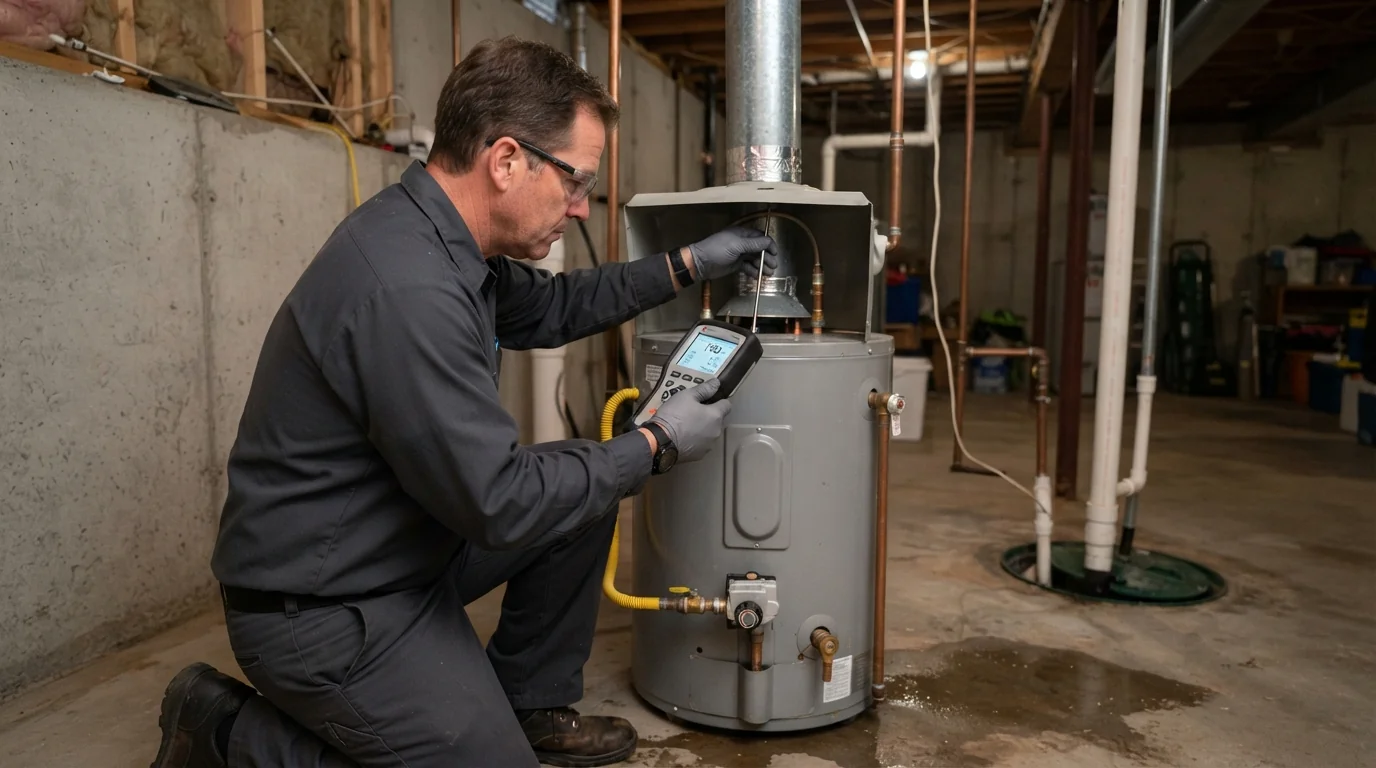
The yearly checks that prevent it
A proper our furnace tune-up page includes a combustion analyzer test of the flue gas, a heat exchanger inspection and a draft check. Water heaters, boilers and fireplaces deserve the same attention, which is what a carbon monoxide inspection covers.
Between visits, keep PVC vents clear of snow, never run a car or generator in an attached garage, and never heat the house with a gas oven. If a furnace starts short cycling or the flame turns yellow, call; see what to check first for the safe checks.
Carbon monoxide questions
Get everyone out, call 911, and do not go back in until responders say it is safe.
Yes, through bad combustion, a cracked heat exchanger or failed venting.
On every level with sleeping areas, near bedrooms, and near an attached garage door.
Blocked PVC vents usually shut the furnace off, but should always be kept clear.
Once a year, and whenever one is replaced.
No. Only fuel-burning appliances do.
Headache, dizziness and nausea that ease when you leave the house.