Solid ice on the coil
Defrost is not clearing it.
A heat pump that ices up, blows lukewarm air or runs on expensive backup heat all day has a specific fault. We find it and fix it before the electric bill does the talking.
The short answer
Heat pump repair in Grand Rapids usually involves a defrost control that is not clearing ice, a reversing valve stuck in one mode, auxiliary heat running when it should not, or the same capacitor and refrigerant faults an air conditioner gets. We test the heat pump in both heating and cooling, including a forced defrost, before replacing any part.
What you might notice
Defrost is not clearing it.
Low charge or a reversing valve fault.
The heat pump is not carrying its load.
A valve or defrost cycle not working as designed.
Controls, charge or sizing problems.
Heating and cooling faults
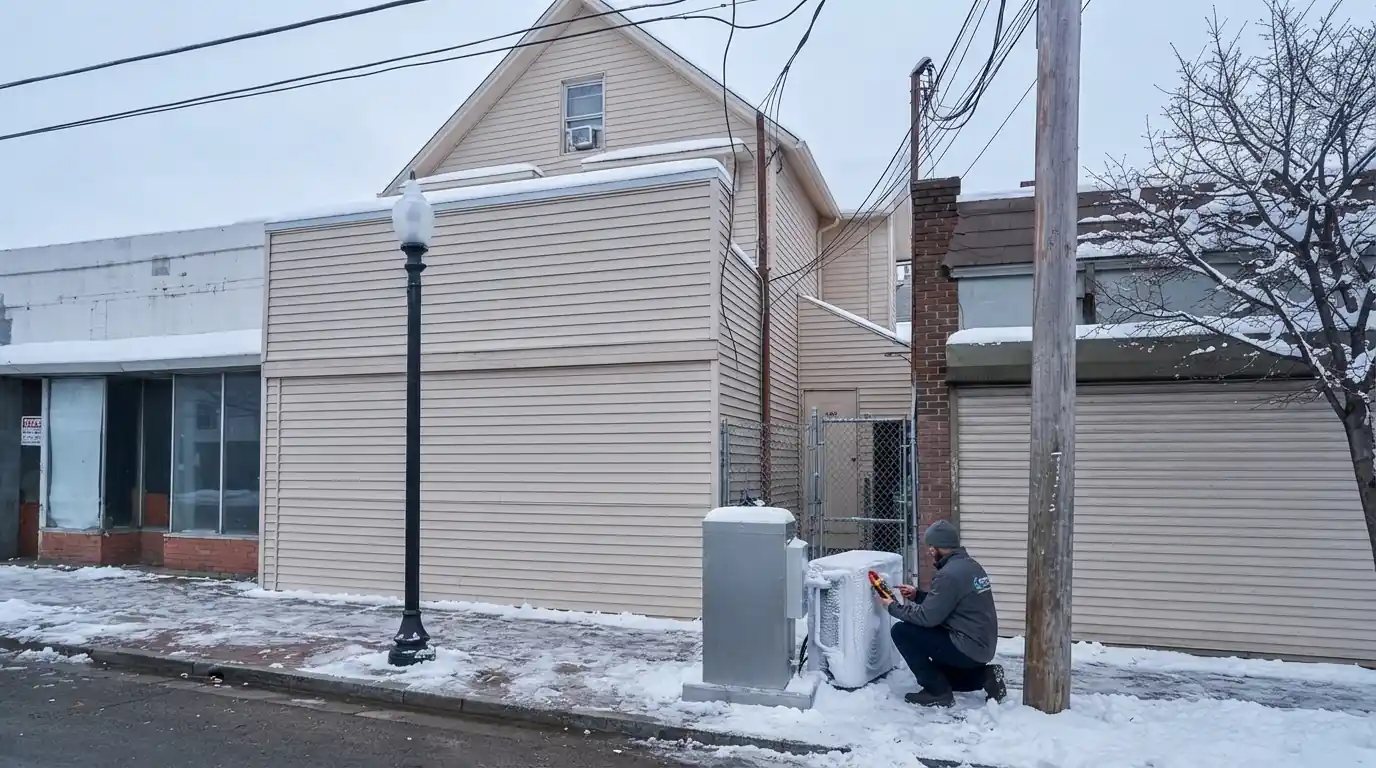
A heat pump shares most of its parts with an air conditioner, and fails the same ways in summer. In winter it adds a reversing valve, a defrost cycle and backup heat, and each brings its own faults. Some frost on the outdoor coil in cold, damp weather is normal; a solid block of ice is not.
For ductless units see mini split repair. A yearly heat pump tune-up tests defrost and backup heat before winter.
The three winter faults we see most
The reversing valve switches refrigerant flow between heating and cooling. When it sticks, the heat pump may cool in winter, heat in summer, or sit halfway and do neither well. Sometimes the valve is fine and the solenoid coil or the thermostat signal that drives it has failed, which is a much smaller repair. We check the control signal first, then the coil, then the valve itself by reading pressures and temperatures in each mode before recommending a full valve replacement.
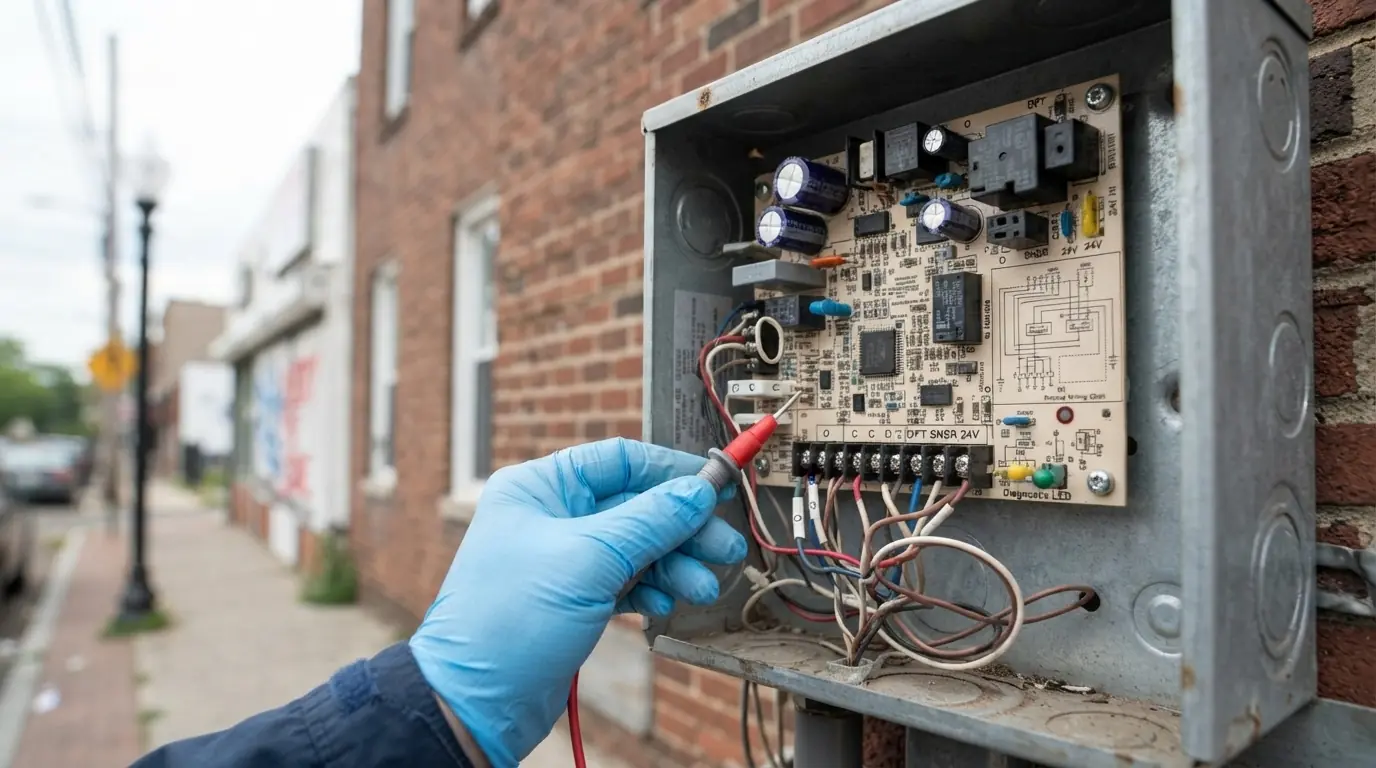
In winter the outdoor coil collects frost, and the heat pump periodically reverses for a few minutes to melt it off. A failed defrost board, a bad coil temperature sensor or a stuck defrost relay means the ice keeps building until the coil is encased and heating output collapses. We force a defrost cycle to see whether the system responds, test the sensor against actual coil temperature, and check that meltwater drains away from the base rather than refreezing under the unit.
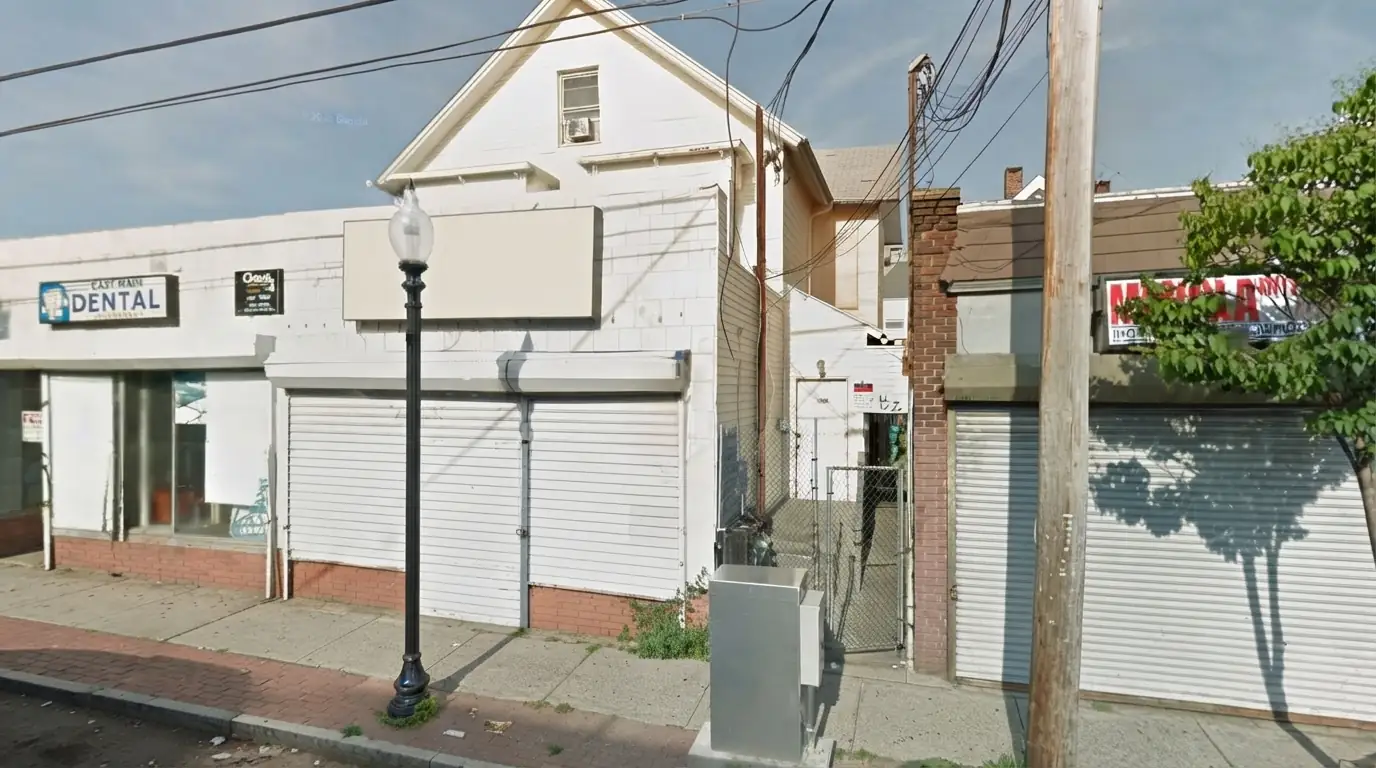
Heat pumps use electric strips or a furnace as backup, and when backup runs all the time the electric bill shows it within a month. The cause can be a heat pump that has lost capacity from low refrigerant, a thermostat set to emergency heat, an outdoor sensor giving a false reading, or wiring that calls backup on every cycle. We look at when backup is being called and why, and fix the heat pump rather than letting the strips carry the house.
From the call to a working system
Thermostat mode, ice condition and backup heat questions.
Heating and cooling run, pressures and temperatures read.
Defrost response and sensors checked.
Repair approved, part replaced, system retested.
Backup staging confirmed so it only runs when needed.
Timing
Sensor, capacitor, contactor and defrost board repairs are usually done on the first visit, and backup heat keeps the house warm while we work.
Reversing valve and refrigerant leak repairs take longer because the system has to be recovered, repaired, pressure tested and evacuated before recharging.
Local conditions
Lakeshore towns near our Stevensville head office, in Berrien County, see even heavier snowfall than Grand Rapids, and heat pump outdoor units there get buried and iced more often, so stands and drainage matter. Consumers Energy pays rebates on qualifying heat pumps in 2026, and a new system's first winter is usually when a defrost setting or a backup heat setup problem shows itself, so that first season is worth watching closely.
Brands we service and install
Pricing, explained
Heat pump repairs are priced after testing in both modes. You approve the price before any part is replaced.
A sensor or capacitor is minor; a reversing valve or compressor is major.
Leak repairs require recovery, repair, vacuum and recharge.
Variable-speed units use costlier boards and motors.
A buried or tightly enclosed outdoor unit adds time.
Night and holiday calls cost more than daytime scheduling.
Questions people ask us
Light frost is normal. Heavy ice that does not clear is not.
Heat pump air is cooler than furnace air, but truly cold air points to a fault.
Backup heat may be running far more than it should.
No. Turn it off and call; forced thawing can damage the coil.
A thermostat setting that runs backup only. Use it only when the heat pump has failed.
Yes. We repair most common ducted heat pump brands.
Commonly 10 to 15 years with regular service.
We answer 24/7 and schedule no-heat calls first.
From our guides: Guide: heat pumps in winter
More emergency & repair work
Call any hour and we will get it heating properly.
Reach us
Service office
3535 3 Mile Rd NW, Grand Rapids, MI 49534