Many Grand Rapids homes need a humidifier in winter and a dehumidifier in summer. Cold outdoor air holds little moisture, so heated rooms dry out, while humid summers and cool basements push indoor humidity up. A hygrometer reading tells you which problem you have; most homes are comfortable between about 30 and 50 percent relative humidity.
Why Michigan homes swing both ways
Winter air in Grand Rapids is cold, and cold air holds very little water. When that air leaks into the house and is heated, its relative humidity drops sharply, which is why skin, sinuses and wood floors dry out in January.
Summer is the opposite. Warm, humid air moves into the house and into the basement, where cool foundation walls drop its temperature and push its relative humidity up. That is why a basement can smell musty in July even when the rest of the house feels fine.
Measure before you buy
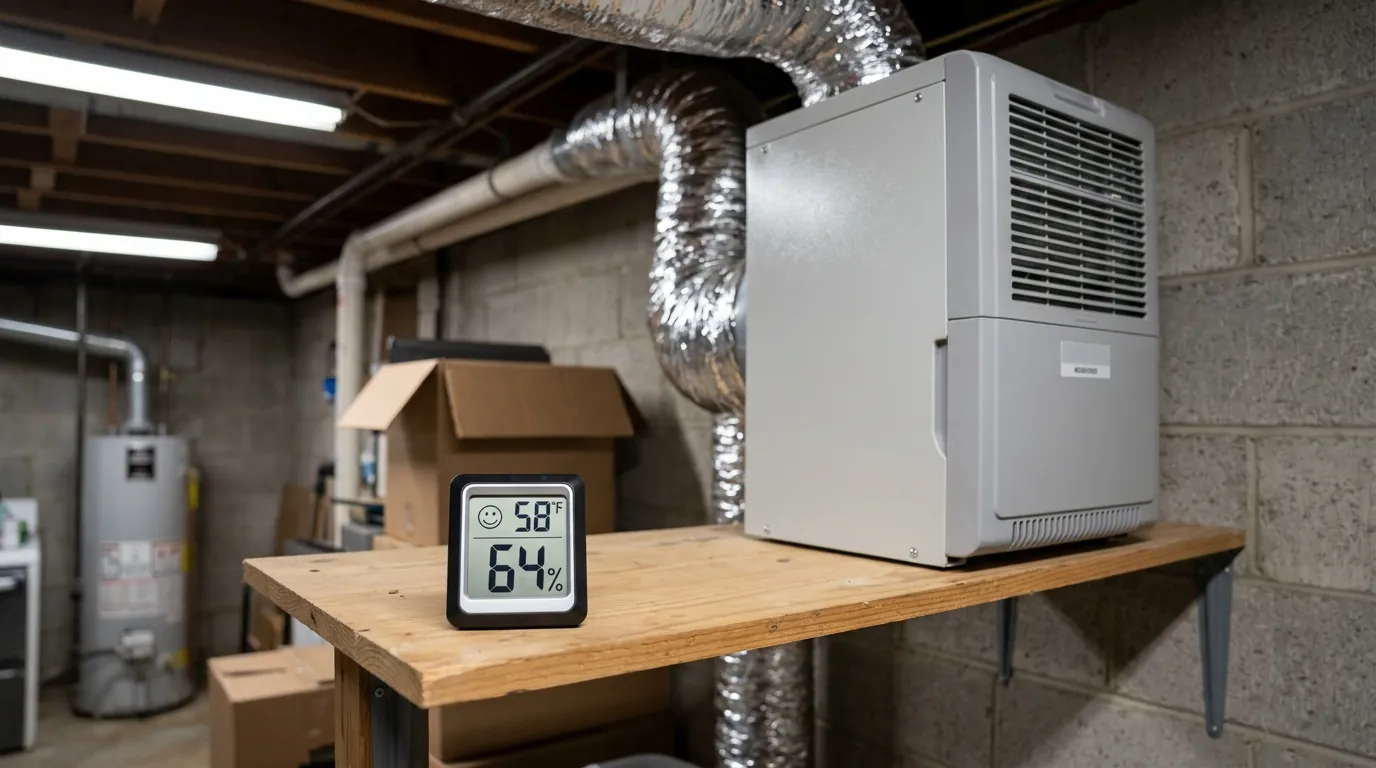
An inexpensive digital hygrometer settles the question. Check it in the main living area and the basement over several days in each season, because one reading can mislead.
As a working range, most homes are comfortable between about 30 and 50 percent relative humidity. In very cold weather, the top of that range should come down, because the inside of the windows is cold enough to collect condensation.
Signs you need a humidifier
Winter dryness shows up in the house and the people in it.
- Static shocks from door handles and carpets.
- Dry skin, cracked lips and irritated sinuses.
- Gaps opening in wood floors and trim.
- Hygrometer readings in the 20s or below with the heat running.
- Houseplants and wood instruments suffering over the winter.
Signs you need a dehumidifier
Summer dampness tends to show up first in the basement.
- A musty smell downstairs from June through September.
- Condensation on cold water pipes and the AC lines.
- Damp cardboard, rusting tools or mildew on stored items.
- Readings above about 60 percent for days at a time.
- An air conditioner that cools but leaves the house feeling clammy.
Which equipment fixes which problem
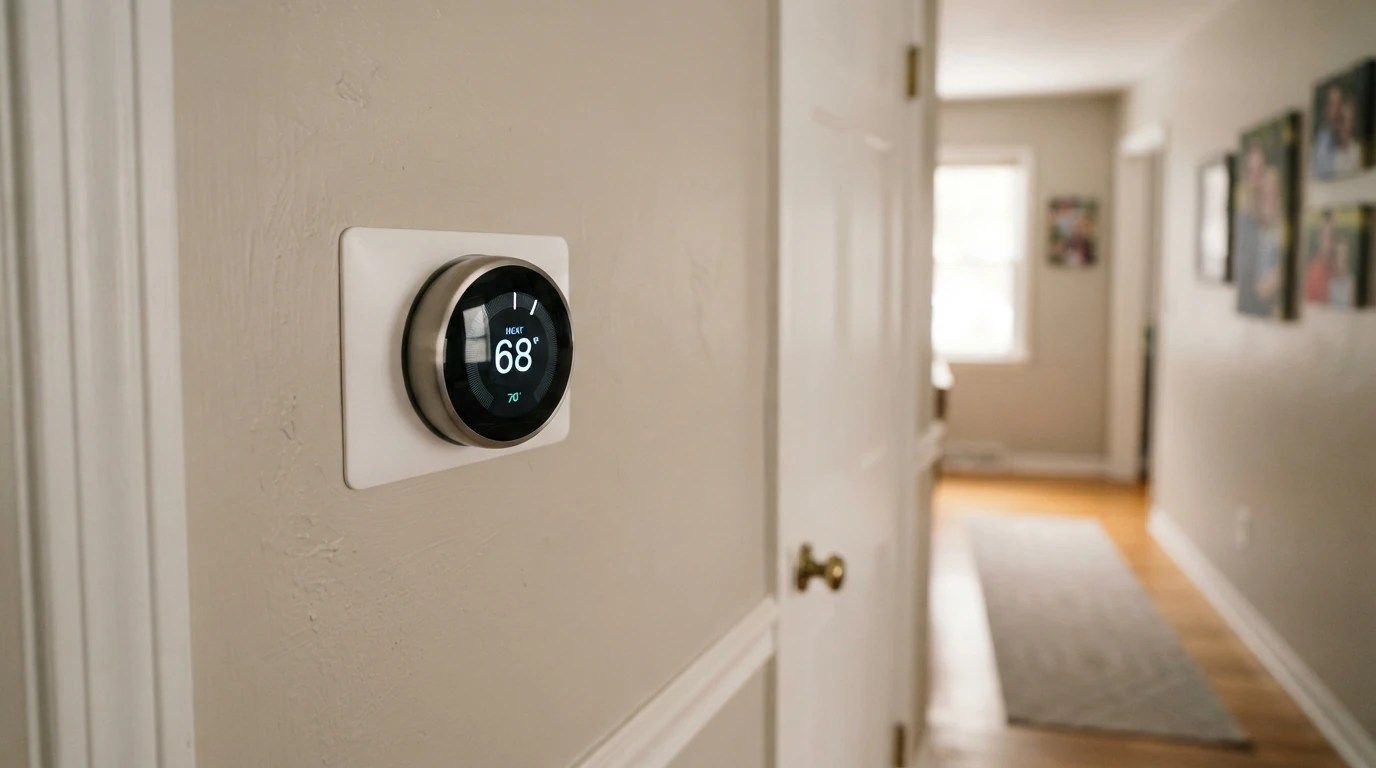
For winter dryness, a whole-house humidifier work mounted on the furnace adds moisture to all the air it moves and controls it automatically, without the refilling and cleaning that room units need. A good control lowers the target as the outdoor temperature drops, which keeps windows clear.
For summer dampness, a our whole-house dehumidifier page tied into the ductwork or set up in the basement removes far more water than a portable unit and drains on its own. Our winter humidity guide goes deeper on the winter side.
When the problem is not the equipment
Sometimes high humidity is a symptom. Window condensation in a tight house can mean too little ventilation, and a damp basement can come from gutters, grading or a missing vapor barrier. A humidifier set too high can also cause winter condensation all on its own.
If readings do not make sense, an air quality test in Grand Rapids measures humidity and ventilation room by room and shows where the moisture is coming from before you buy anything.
Do you need both?
Many Grand Rapids homes do, especially older houses with fieldstone or block basements and newer, tighter houses that hold moisture in. They run at different times of year and do not fight each other, and each one covers a season the other cannot.
If budget only allows one, start with the problem causing damage, which is usually basement dampness, then add winter humidification.
Humidity questions
Most homes are comfortable between about 30 and 50 percent.
Cold outdoor air holds little moisture and dries out as it is heated.
Humid air cools against the foundation and its humidity rises.
Yes, if it is set too high for the outdoor temperature.
For a small space, sometimes; whole basements usually need more capacity.
Yes. They work in different seasons.
With a digital hygrometer, read over several days.