Repair a furnace or air conditioner when it is under about ten years old or the fix is a wear part like an ignitor or capacitor. Consider replacement when a furnace is 15 to 20 years old or an AC is 12 to 15 years old and facing a major repair, when an older AC uses R-22 and is leaking, or when a heat exchanger is cracked.
Start with age
Published lifespans put a modern furnace at around 15 to 20 years and central air at around 12 to 15 years, depending on maintenance and use. Age alone does not decide anything, but it tells you how much life a repair is buying. Spending money on a young system is almost always sensible. Spending a large sum on a system near the end of that range is the decision worth thinking through. For the full picture on wear and age, see what shortens or stretches a furnace's life.
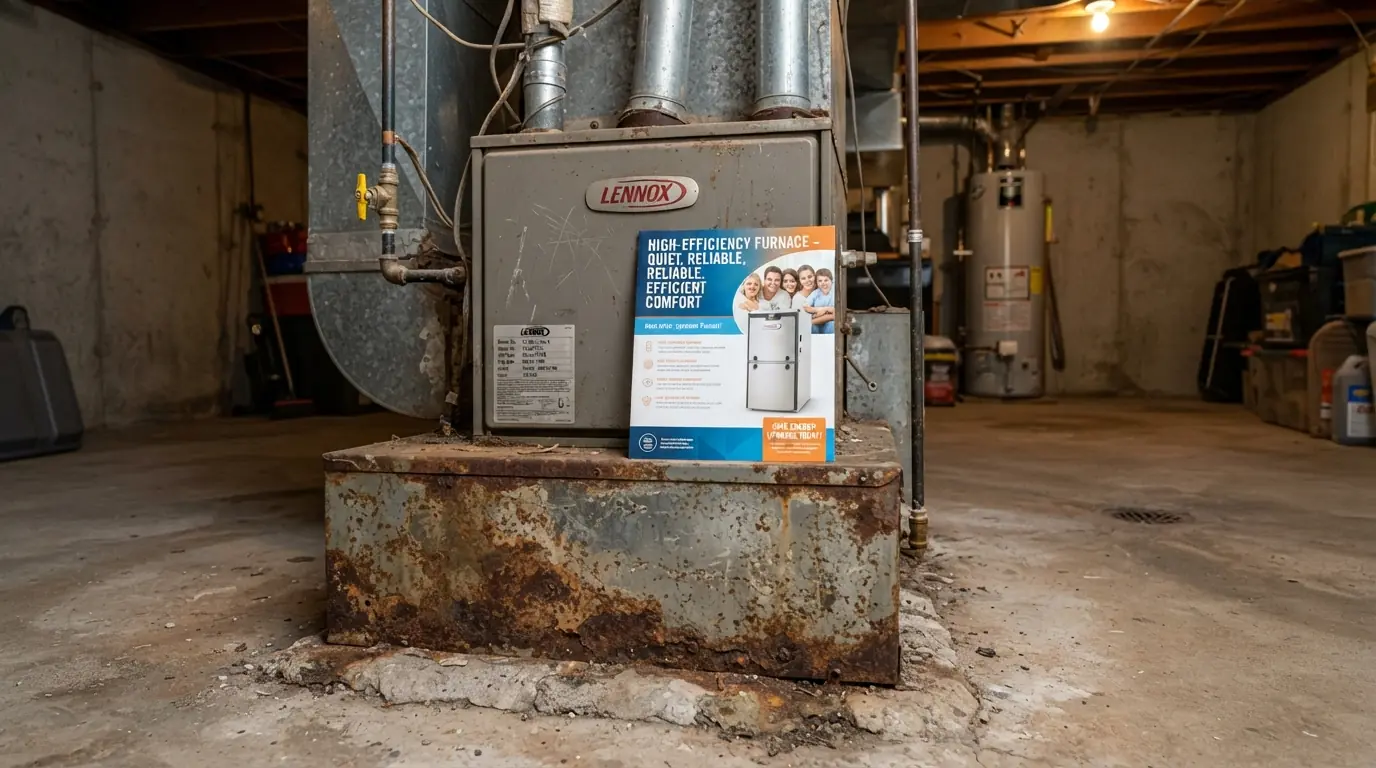
What kind of repair is it?
Repairs fall into two groups.
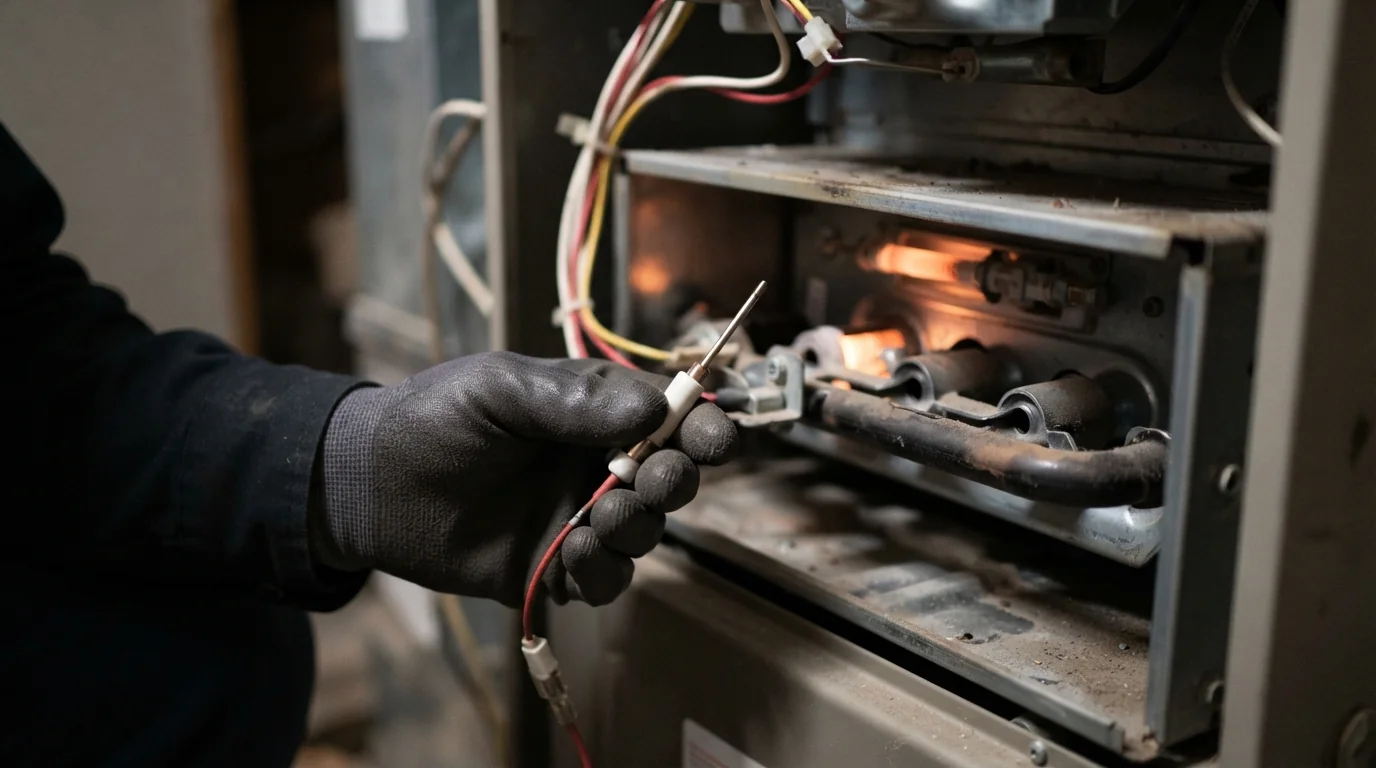
- Wear parts: ignitors, flame sensors, capacitors, contactors, belts, filters, thermostats. These are inexpensive and routine at any age.
- Major components: compressors, heat exchangers, inducer and blower motors, control boards, indoor coils. These cost a meaningful share of new equipment.
- A wear part on an old system is still usually a repair. A major component on an old system is where replacement enters the conversation.
The refrigerant question
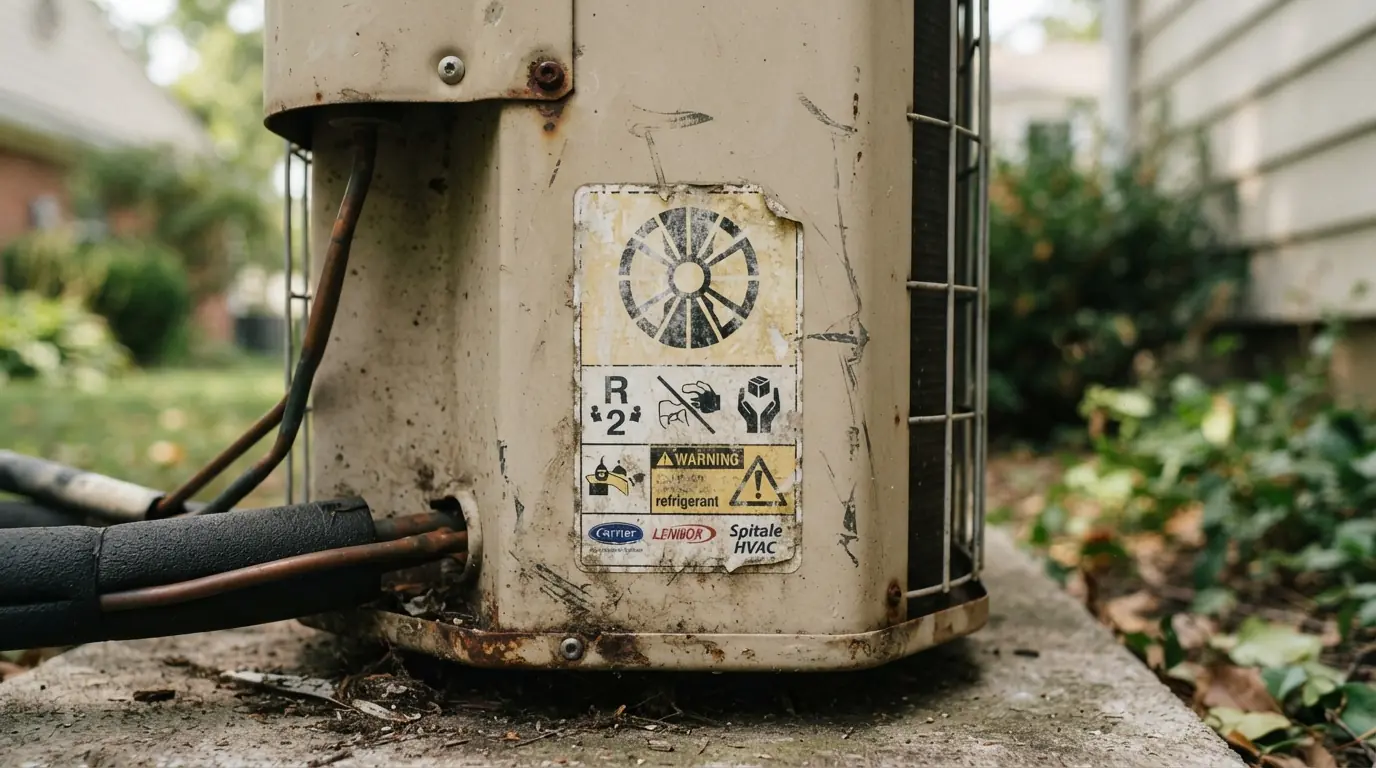
Air conditioners and heat pumps installed before about 2010 often use R-22, which is no longer produced. Recharging an R-22 system after a leak repair is expensive and getting more so, and the system cannot simply be switched to a newer refrigerant. A small, easily fixed leak on an R-22 system can still be worth repairing for a season or two. A coil leak or a large charge usually is not.
Newer systems use R-410A or the newest refrigerants, which remain available for service. See refrigerant leak repair for how leaks are handled.
When safety decides it
A cracked heat exchanger on a furnace is the one finding where the decision is usually made for you. It can let combustion gas into the airstream, and on an older furnace the repair is rarely worth it. Ask to see what was found: a photo, a camera view or a combustion reading. Not every rust mark is a crack. Our carbon monoxide guide explains why this matters.
Other things that tip the balance
Beyond age and cost, a few practical factors often decide it.
- Frequent repairs: a system needing service every season is telling you something.
- Comfort problems: short cycling, uneven rooms or noise that a new, correctly sized system would fix.
- Rising bills: an old 80 percent furnace or low-efficiency AC costs more to run each year.
- Matched equipment: replacing the furnace and AC together gets a matched system and saves labor.
- Timing: replacing on your schedule beats replacing in a no-heat emergency.
Heat pumps change the math
When an air conditioner needs replacing, a heat pump is often worth pricing at the same time. It costs more than a straight AC swap but also heats the house through the mild part of the Grand Rapids winter, and a qualifying model is eligible for a Consumers Energy rebate. Paired with a furnace that still has years left, it becomes a dual-fuel system without replacing the furnace. The current utility rebate amounts can tip a close call.
The reverse applies too. When a furnace fails but the AC is young, there is no need to replace both. The right answer depends on the age of each piece. Our heat pump or gas furnace guide walks through the options.
How we help you decide
When we find a major repair on an older system, we price the repair and the replacement on the same visit, explain the age and condition of each part, and leave the decision with you. Our cost guides for furnaces and air conditioners give 2026 Michigan price ranges to measure quotes against.
Start with furnace repair or AC repair work, and if replacement makes sense, furnace replacement and AC replacement in Grand Rapids explain what comes next.
Repair or replace questions
Around 15 to 20 years with maintenance.
Around 12 to 15 years.
Small, easy leaks sometimes; coil leaks usually not.
On an older furnace, almost always.
Often, for matched equipment and lower labor.
Plan a replacement on your schedule rather than waiting for failure.
No. We give both numbers and you decide.